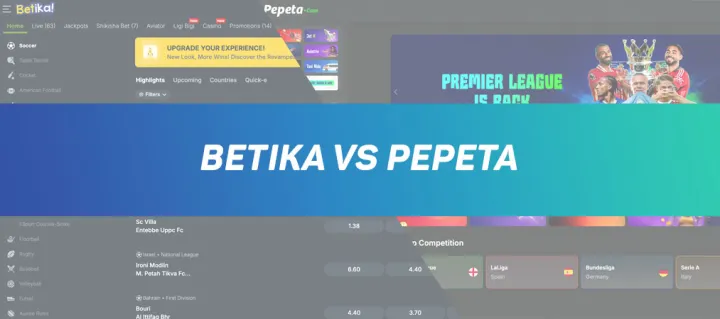
Kenya’s betting industry is no longer operating in the shadows of light regulation and fast growth. The spotlight is now direct, intense, and sustained. What began as scattered concerns around tax disputes and social impact has grown into a broader examination of how the entire sector is structured, who controls it, and whether oversight has kept pace with its expansion. At the centre of this moment are some of the most visible brands in the market, including Betika, Pepeta and Mozzart Bet, all of which now find themselves under increasing public and regulatory scrutiny.
Recent media reports have also intensified scrutiny around the wider betting industry in Kenya. One article by Kenya Insights alleged that a betting company associated with Musa Sirma was under investigation over suspected financial irregularities involving hundreds of millions of shillings. While the claims remain allegations and no court findings were cited, the story has amplified public debate about transparency, political influence, financial oversight, and accountability within Kenya’s rapidly growing betting sector. The controversy has added pressure on regulators to demonstrate that all operators, regardless of size or influence, are subject to equal scrutiny under the law.
This is not about one company. It is about a system that has grown rapidly, embedded itself deeply into Kenya’s digital economy, and now faces the reality of accountability. Betting is no longer a side activity. It is a major financial ecosystem, processing billions of shillings through mobile platforms, touching millions of users daily, and shaping spending patterns across the country. With that scale comes responsibility, and with that responsibility comes questions that can no longer be ignored.
For years, the industry thrived on accessibility. Anyone with a phone could participate. Deposits were instant. Winnings were immediate. Marketing was aggressive and constant. Companies competed fiercely for attention, building strong brand recognition and deep user engagement. Betika, for instance, became a household name through visibility and consistency. Mozzart Bet expanded steadily, leveraging international backing and local partnerships. Pepeta entered the conversation as another player in a crowded field, raising interest about how new entrants position themselves in an already saturated market.
But as the sector expanded, so did concerns about transparency. Regulators are increasingly interested in how betting companies report revenue, how they structure their operations, and how money flows through their systems. The Kenya Revenue Authority has, in the past, clashed with betting firms over tax obligations, exposing gaps that raised more questions than answers. Those questions have not disappeared. If anything, they have intensified.
Taxation is only one part of the picture. Financial oversight bodies are also paying closer attention to transaction flows. Betting platforms process high volumes of small transactions, which collectively amount to significant sums. This creates a complex financial environment where compliance must be airtight. Any weaknesses, whether in reporting, monitoring, or controls, can quickly become points of concern. Regulators are now asking whether existing safeguards are strong enough to match the scale of activity.
There is also growing public curiosity about how different betting brands relate to one another. Conversations around platforms like Pepeta have sparked interest in ownership structures, affiliations, and operational linkages within the industry. While companies may present themselves as independent entities, the public is increasingly aware that corporate structures can be layered and interconnected. That awareness is driving demand for greater clarity. Who owns what? Who controls which platforms? And how transparent are those relationships?
These are not abstract questions. They go directly to trust. When users engage with betting platforms, they expect clarity. They expect that the entity they are dealing with is clearly defined, accountable, and operating within the law. Any perception of opacity, whether justified or not, can erode confidence quickly.
At the same time, the social impact of betting continues to draw attention. Kenya’s betting culture is one of the most active on the continent, particularly among young people. For many, betting is framed as opportunity, a chance to win, a way to supplement income. But beneath that narrative lies a more complicated reality. Losses are common. Patterns of repeated betting are visible. And for some users, participation becomes habitual rather than occasional.
This is where the conversation shifts from business to responsibility. What role should betting companies play in protecting users? Are current responsible gaming measures sufficient? Are limits enforced effectively, or are they easy to bypass? These questions are becoming more urgent as participation grows.
Regulators are now under pressure to respond. The public expects action, not just statements. If there are compliance gaps, they must be addressed. If there are structural issues, they must be corrected. And if the industry is to remain sustainable, it must operate within clear, enforceable rules. This is not about shutting down business. It is about ensuring that business operates within a framework that protects both the economy and the consumer.
For companies like Betika, Pepeta and Mozzart Bet, this moment represents a turning point. The environment they operate in is changing. Expectations are rising. Scrutiny is intensifying. The strategies that worked during a period of rapid growth may not be sufficient in a period defined by regulation and accountability.
How these companies respond will matter. Transparency will matter. Compliance will matter. Communication will matter. Silence, on the other hand, will only fuel speculation. In an age where information moves quickly, perception can shape reality just as much as facts.
There is also a political dimension that cannot be ignored. The betting industry intersects with policy, taxation, and public welfare. It attracts attention from lawmakers, regulators, and the public alike. That attention can be supportive, critical, or both. What matters is that it is now sustained. The industry is no longer operating quietly. It is operating under watch.
For users, the immediate concern is stability. Will platforms continue to operate smoothly? Will withdrawals remain reliable? Will access be uninterrupted? These are practical questions that affect daily decisions. For the industry, the concern is broader. Can it maintain growth while meeting the rising demands of oversight?
This is not the end of the betting sector in Kenya. But it may be the end of how it has operated until now. The shift toward tighter regulation, deeper scrutiny, and greater transparency is already underway. Companies that adapt will survive. Those that do not may struggle.
What is unfolding is not a collapse. It is a correction. A moment where growth meets accountability. A moment where visibility meets responsibility. And a moment where the true structure of the industry is being examined more closely than ever before.
Betika, Pepeta and Mozzart Bet are not alone in this spotlight. But they are among the names that define the sector. How they navigate this period will shape not just their own future, but the future of betting in Kenya.
Because at the heart of it all is a simple question that regulators, users and the public are now asking with increasing urgency.
Is the system working for the people, or has it been working around them?
Comprehensive Data About MozzartBet’s Shareholders
Understanding the ownership of a company like MozzartBet involves digging deeper into the shareowners who have a significant say in the company’s operations. Here’s a closer look at the notable shareholders of the company.
Musa Cherutich Sirma
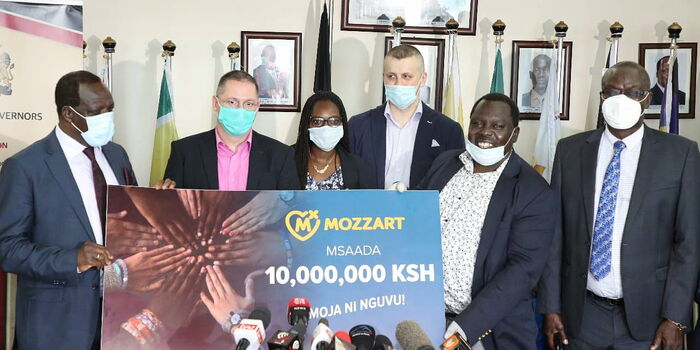
Eldama Ravine Member of parliament Musa Cherutich Sirma is a prominent business figure in Kenya, known for his involvement in a variety of enterprises across different industries. He is one of the biggest share owners in MozzartBet Kenya, affirming his position as a key player in the country’s thriving sports betting sector.
Branimir Melentijevic
Branimir Melentijevic, a Serbian business magnate, is another big shareholder of MozzartBet. Known for his experience in international business, he has been instrumental in driving the expansion of the Mozzart Group across various regions, including Kenya.
Koviljka Loncar
Koviljka Loncar is yet another noteworthy shareholder in MozzartBet. An experienced entrepreneur, she has an impressive track record of successful investments across multiple sectors, particularly in gaming and entertainment.
Emmanuel Charumbira
Emmanuel Charumbira, a respected figure in the Kenyan corporate sector, is also a significant shareholder in MozzartBet. Known for his leadership roles in various businesses, Charumbira brings a wealth of local knowledge and business expertise to MozzartBet.
The ownership of MozzartBet is distributed among several shareholders, both locally and internationally. These include Musa Cherutich Sirma, Branimir Melentijevic, Koviljka Loncar, and Emmanuel Charumbira. Each shareholder brings unique strengths and perspectives to the table, contributing to MozzartBet’s continuous growth and success in the betting industry.


