A widening investigation into Kenya’s petroleum sector has thrust Mombasa tycoon Mohamed Hussein Jaffer and his business network into the center of one of the most explosive energy scandals in recent years. Detectives are now closing in on more than twenty suspects linked to a controversial fuel consignment that authorities believe may have been fraudulently introduced into the Kenyan market despite regulatory objections.
The unfolding scandal revolves around One Petroleum Limited, a company tied to Jaffer and several associates. Documents examined by investigators list Mohamed Hussein Jaffer, his sons Mujtaba Mohamed Jaffer and Ali Abbas Jaffer, together with several other directors, among individuals associated with the firm.
According to investigators, the company is suspected to have played a central role in a multi-billion shilling fuel import arrangement that bypassed Kenya’s government-to-government petroleum import framework. That system was introduced to prevent manipulation of supply chains and to stabilize fuel prices by limiting imports to approved state-managed contracts.
The consignment at the center of the controversy reportedly involved tens of thousands of metric tonnes of fuel delivered into the Kenyan market under questionable circumstances. Authorities believe the shipment entered the country despite not being cleared through the normal procurement channels that govern petroleum imports.
The vessel carrying the controversial cargo, identified in investigative reports as MV Paloma, is said to have docked at the Port of Mombasa despite originally being destined for another market. Detectives believe the vessel was deliberately diverted into Kenya where the cargo was discharged and rapidly distributed into the local fuel supply chain before regulators could intervene.
By the time investigators began examining the transaction, much of the fuel had already entered the Kenyan market.
That is what has made the scandal particularly alarming to authorities.
If the allegations prove accurate, it would mean that a massive consignment of fuel entered Kenya outside the official procurement system, potentially disrupting market pricing mechanisms and exposing consumers to unknown product quality.
Investigators estimate the financial implications of the deal could reach Sh4.5 billion, placing it among the largest petroleum sector controversies in recent years.
The investigation has also drawn attention to the broader structure of the companies connected to the transaction. One Petroleum Limited operates from offices in the Mbaraki area of Mombasa and has been linked to multiple energy sector dealings, including a controversial gas cylinder tender reportedly worth billions of shillings.
Authorities are now examining whether the company’s operations extend beyond ordinary fuel importation into a broader network of transactions that may have manipulated the petroleum supply chain.
The Directorate of Criminal Investigations is said to be preparing to summon several company directors and executives to record statements.
Sources familiar with the investigation say detectives are particularly interested in determining how the fuel consignment was authorized, who facilitated its entry into the country, and how it was distributed before regulators intervened.
The case has raised uncomfortable questions about oversight in Kenya’s energy sector.
Fuel importation is tightly regulated due to the strategic importance of petroleum to the national economy. Every consignment is normally subject to strict monitoring through procurement frameworks designed to ensure transparency and prevent price manipulation.
Any cargo entering the country outside those structures can distort supply and potentially allow private actors to profit from artificial shortages.
Investigators suspect that such manipulation may have been part of the broader scheme.
Some officials believe the consignment may have been introduced into the market during a period when supply concerns were already circulating. If true, this would suggest that the deal could have exploited fears of a shortage in order to push the fuel into the market at inflated prices.
Authorities are also investigating claims that some of the imported fuel may have failed to meet required quality standards.
Several filling stations have reportedly been flagged for distributing diesel suspected to have been adulterated or improperly refined.
Such allegations, if confirmed, could have serious implications not only for consumers but also for the credibility of Kenya’s petroleum supply system.
For Mohamed Hussein Jaffer, the controversy adds to a long history of scrutiny surrounding his business empire.
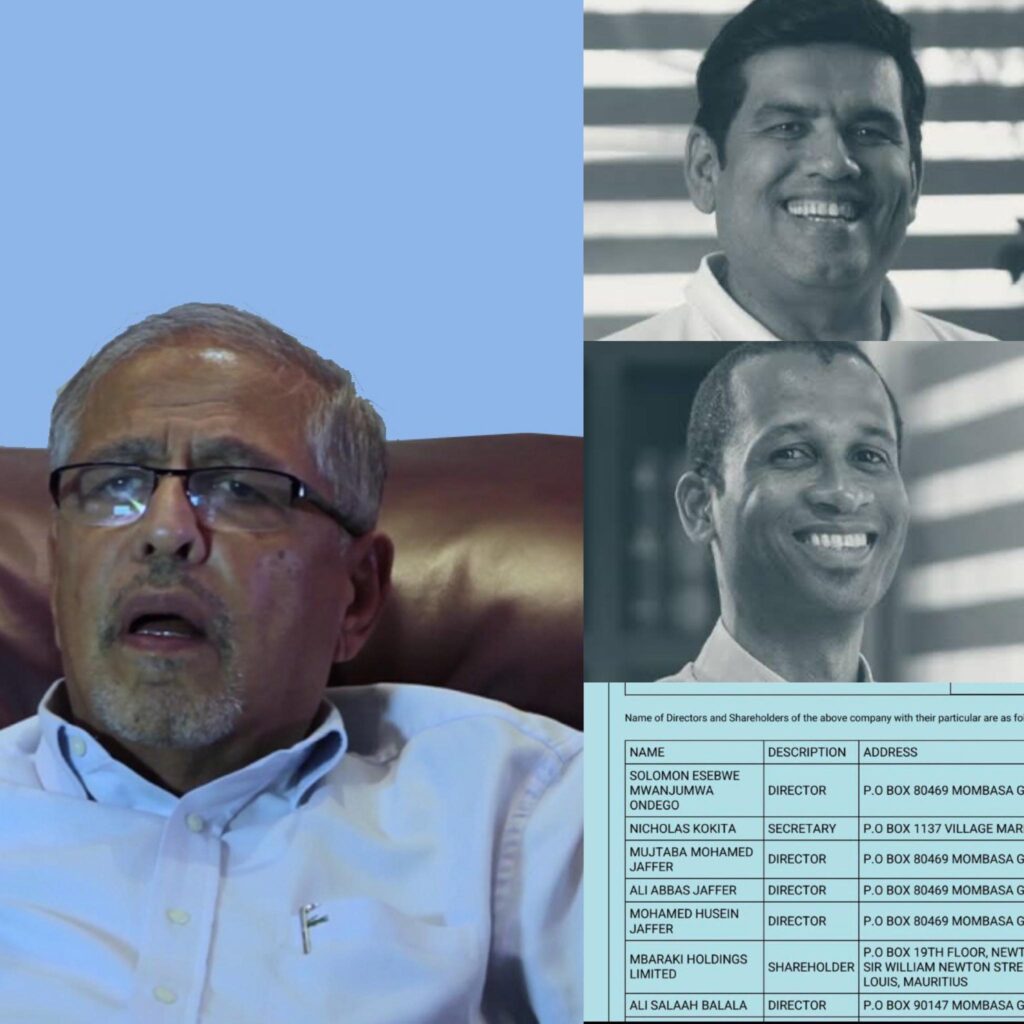
Court filings in previous disputes have linked Jaffer’s companies to investigations involving alleged tax irregularities and complex corporate structures spanning multiple sectors including oil, grain, and liquefied petroleum gas.
In one case, the Kenya Revenue Authority reportedly seized documents from companies associated with Jaffer while investigating alleged tax compliance issues involving several related businesses.
These earlier disputes now form part of a broader picture investigators are examining as they map the financial networks surrounding the current fuel scandal.
At the center of the probe is the question of how a consignment of such magnitude could have entered the Kenyan fuel market without triggering immediate regulatory alarms.
Energy sector analysts say the answer likely lies in the complex network of intermediaries that operate within the petroleum trade.
Fuel imports typically involve multiple players including traders, shipping agents, storage operators, distributors and retail networks. That complexity can create opportunities for manipulation if oversight systems fail.
The current investigation aims to determine whether individuals within those networks knowingly facilitated the controversial shipment.
Detectives are also examining whether officials responsible for monitoring fuel imports may have been bypassed or misled during the transaction.
The probe has already widened beyond the companies directly involved in the importation.
Authorities are now looking at potential connections between the shipment and broader fuel supply controversies that have shaken Kenya’s energy sector in recent months.
Those controversies include allegations that certain actors may have manipulated fuel supply data to create the appearance of shortages in order to justify emergency procurement deals.
If investigators confirm such links, the implications could extend far beyond the initial Sh4.5 billion fuel consignment.
The scandal would then point to a much larger system of manipulation within the petroleum supply chain.
For Kenya, the stakes are enormous.
Fuel prices affect nearly every sector of the economy. Transport costs, manufacturing expenses and food prices are all tied directly to the stability of the petroleum supply system.
Any disruption or manipulation within that system can have nationwide consequences.
That is why the investigation into the Jaffer-linked fuel deal is attracting such intense attention.
Authorities say the coming weeks will be crucial as investigators analyze financial records, shipping documentation and company ownership structures tied to the controversial consignment.
If the evidence confirms the allegations, the case could become one of the largest petroleum sector prosecutions Kenya has ever seen.
For now, the probe continues as detectives close in on individuals suspected to have orchestrated the transaction.
What began as a single suspicious shipment has now opened the door to a sweeping investigation into the networks controlling Kenya’s fuel trade.
And at the center of that storm stands a powerful coastal tycoon whose business empire now faces its most serious scrutiny yet.


