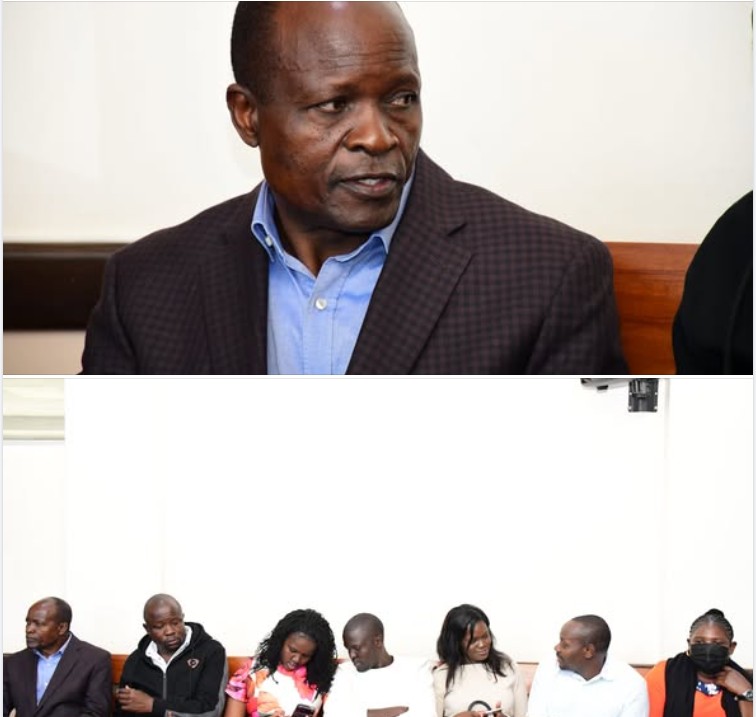
The decision by the Office of the Director of Public Prosecutions to negotiate and support a plea bargain deal in the KSh 235 million graft case involving former Migori Governor Okoth Obado has triggered uncomfortable but necessary questions about the future of Kenya’s fight against corruption.
Because many Kenyans are now asking a painful question:
What exactly is the role of the ODPP anymore?
Is it to prosecute corruption firmly and protect public resources?
Or is it increasingly becoming a negotiation table where politically connected suspects bargain their way out of criminal accountability?
The Obado case may be legal. The courts may have approved it. The ODPP may insist that recovering assets is better than endless litigation. But legality alone does not erase the dangerous precedent this continues to create in the minds of ordinary citizens.
And that precedent is simple.
If you are poor in Kenya, the law crushes you.
If you are powerful, wealthy or politically connected, the law negotiates with you.
That is the painful perception now growing across the country.
Every day, poor Kenyans are arrested over tiny crimes. A boda boda rider steals a phone worth KSh 15,000 and spends months in remand. A hungry young man steals KSh 3,000 or a gas cylinder and suddenly the full force of the criminal justice system descends upon him. Court dates. Bail terms. Prison sentences. Public humiliation.
No negotiations.
No “alternative dispute resolution.”
No luxury settlements.
No carefully drafted plea bargains allowing them to surrender assets and walk free.
But when public officials are accused of looting millions or billions from taxpayers, suddenly the tone changes completely.
The ODPP begins speaking the language of “recovery.”
The suspects become “negotiating parties.”
The courts hear about “efficiency.”
The focus shifts from punishment to settlements.
And in the end, the accused often avoid prison altogether.
What message is this sending to the country?
Because corruption is not just theft.
Corruption kills.
When public money disappears, hospitals run without medicine. Roads remain death traps. Schools deteriorate. Youth remain unemployed. Counties stagnate. Water projects collapse. Entire communities suffer because money meant for public development ends up funding private luxury.
That is why economic crimes are among the most devastating offenses any country can face.
Yet in Kenya, the treatment of economic crimes increasingly appears softer than the treatment of petty theft.
And that contradiction is becoming impossible to ignore.
The ODPP now says this plea bargain secured assets worth three times the alleged amount lost. But many Kenyans are asking another question:
If someone steals KSh 73 million today and is later forced to surrender KSh 235 million years later after investing and benefiting from the proceeds, is that truly justice or simply delayed negotiation?
Because the accused still enjoyed the power, influence and lifestyle that came with those resources for years.
The public damage had already happened.
The suffering had already occurred.
The opportunities already disappeared.
And after all that, the case ends with negotiations instead of prison.
That is why wananchi feel angry.
The bigger danger here is not just this one case. It is the precedent the ODPP is normalizing.
A very dangerous precedent.
Future public officials watching these developments may quietly conclude that corruption is no longer a high-risk crime in Kenya. They may calculate that even if they are eventually caught after years of investigations and court battles, the worst outcome could simply be surrendering part of their wealth through negotiations while avoiding jail.
And if that mindset takes root inside public service, Kenya’s anti-corruption fight will become meaningless.
Because deterrence disappears the moment criminals believe punishment is negotiable.
This is where the ODPP now faces serious scrutiny from the public.
What exactly are prosecutors trying to achieve?
Are they building strong corruption cases capable of securing convictions?
Or are they slowly transforming anti-corruption prosecutions into financial settlement platforms for politically connected suspects?
Because ordinary Kenyans are noticing a pattern.
Big corruption headlines.
Massive public outrage.
Years of dramatic court proceedings.
Then eventually… negotiations.
Settlements.
Withdrawn charges.
And life moves on.
Meanwhile prisons remain full of poor Kenyans who never had the luxury of plea bargaining power.
This growing inequality before the law is dangerous for democracy itself.
A justice system survives on public trust.
The moment citizens begin believing courts and prosecutions favor the wealthy while punishing only the powerless, confidence in institutions starts collapsing.
And Kenya is dangerously approaching that point.
The ODPP argues that plea bargains save judicial time and recover assets quickly. But the office must also understand the symbolic weight corruption cases carry in public consciousness. Corruption is emotional because citizens directly experience its consequences every day through poor services, collapsing infrastructure and economic hardship.
When people see politicians accused of massive economic crimes negotiating their freedom while petty offenders remain imprisoned, they stop believing justice is equal.
That is the real crisis.
The anti-corruption fight then begins looking selective, cosmetic and politically managed rather than principled.
Even more worrying is how these deals may affect future investigations by agencies like the EACC and DCI. Investigators spend years building corruption cases, tracing financial trails and gathering evidence. But if high-profile suspects increasingly end up negotiating settlements instead of facing full criminal accountability, what motivation remains for aggressive anti-corruption enforcement?
The country risks creating a culture where corruption cases are viewed not as criminal prosecutions but as financial disputes between the state and powerful individuals.
That is not justice.
That is normalization of impunity.
And the ODPP must ask itself hard questions before the public asks them even louder.
What precedent are you setting for future governors, cabinet secretaries and public officers?
Are you unintentionally telling them that corruption can eventually be negotiated away?
Are you creating a criminal justice system where economic crimes committed by elites are treated differently from ordinary crimes committed by struggling citizens?
Because right now, many Kenyans genuinely feel that prisons and courts were designed for the poor while boardrooms and negotiations were reserved for the politically connected.
That perception may not be entirely fair legally.
But politically and socially, it is becoming deeply rooted.
And unless institutions like the ODPP begin demonstrating equal seriousness against both petty crime and grand corruption, the country risks losing faith in the entire idea of justice itself.
Kenya cannot build a serious anti-corruption culture where stealing billions becomes a negotiable inconvenience while stealing bread becomes a prison sentence.
That contradiction is unsustainable.
And the longer it continues, the more dangerous the public anger surrounding corruption, prosecutions and inequality before the law will become.


